
Buying Used Appliances from Private Sellers vs. Showrooms: Red Flags to Avoid
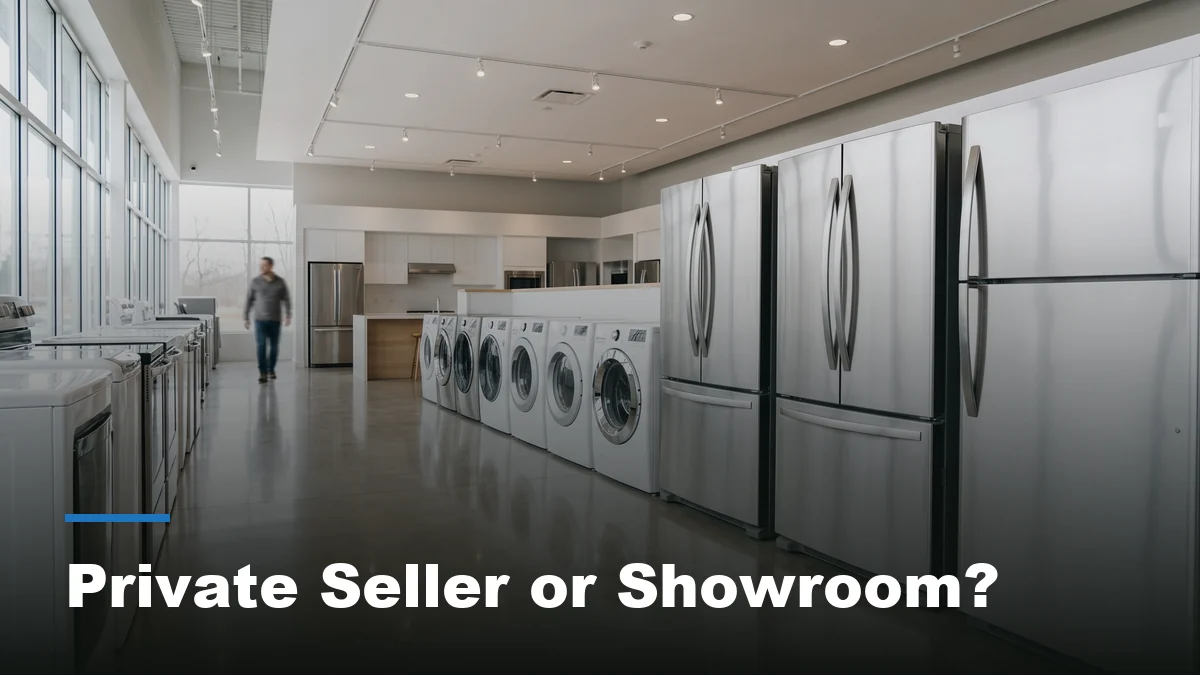
Is a fridge listed by a stranger on a marketplace app a smart save or a headache waiting to happen? Honestly, it can be either. Buying used appliances from private sellers works out fine for plenty of people, and it goes badly for others, and the difference is usually how much checking happened before the cash changed hands. If you’d rather compare with a store first, Express Appliances’ used and open box shop is the showroom side of this comparison.
This guide sets the two routes side by side: a private seller on a classifieds site or marketplace, and a showroom or warehouse that sells used and open box units. We’ll go through testing, paperwork, what happens when something fails, hauling, payment safety, and the red flags worth walking away from. Plenty of private sellers are honest people clearing out a kitchen after a renovation. The goal here is to help you tell which is which.
Buying used appliances from private sellers: The fair case
Let’s give private sellers their due. A neighbour upgrading to a bigger washer, a landlord replacing a stove between tenants, a family downsizing: these are real people with real, working appliances, and the price you negotiate is often a conversation rather than a sticker. You can also ask the person who actually used the machine how it behaved day to day, which a store rarely knows about a trade-in.
The trade-off is that most of the checking falls on you. There’s no shop floor, no power outlet waiting for a test, and no standing relationship if something goes wrong a week later. That’s not a reason to skip private listings. It’s a reason to bring a short list of questions and a little patience.
Private seller vs showroom, side by side
Here’s how the two routes compare on the things that decide whether buying used appliances from private sellers, or from a store, turns out well. Individual sellers and stores vary, so treat the table as a starting point for your questions, not a verdict.
| What matters | Private seller | Showroom or warehouse |
|---|---|---|
| Testing before you buy | Depends on the home. You may see it plugged in, or only photos, or an appliance already unplugged and moved. | Units can usually be seen and powered up on site. Ask what was checked on the specific unit. |
| Provenance and serial label | Ask for the model and serial plate in a photo before you travel, and ask how old it is and why it’s for sale. | Ask for the same details. A business can usually tell you the condition category, such as used, refurbished or open box. |
| If it fails after you buy | Usually a matter between you and the seller. Anything agreed should be in writing. | Ask what coverage applies to that unit and get it on your receipt. |
| Delivery and hauling | Normally you arrange a truck, helpers and a way down the stairs. | Many stores offer delivery and installation. Ask what fits your address. |
| Payment and paperwork | Cash or e-transfer, and a receipt only if you ask for one. | Business receipts and standard payment options. |
| Room to negotiate | Often wide, and part of the appeal. | Varies by store. Ask about open box and used pricing options. |
Neither column wins on every row. A private seller can beat a store on price and on the story behind the machine. A store tends to win on testing, paperwork and what happens next. Which one matters more depends on how much risk you want to carry yourself.
Pick your route in five questions
Before buying used appliances from private sellers, run through these in order. The first answer that makes you uneasy is your cue to switch routes or ask for more information.
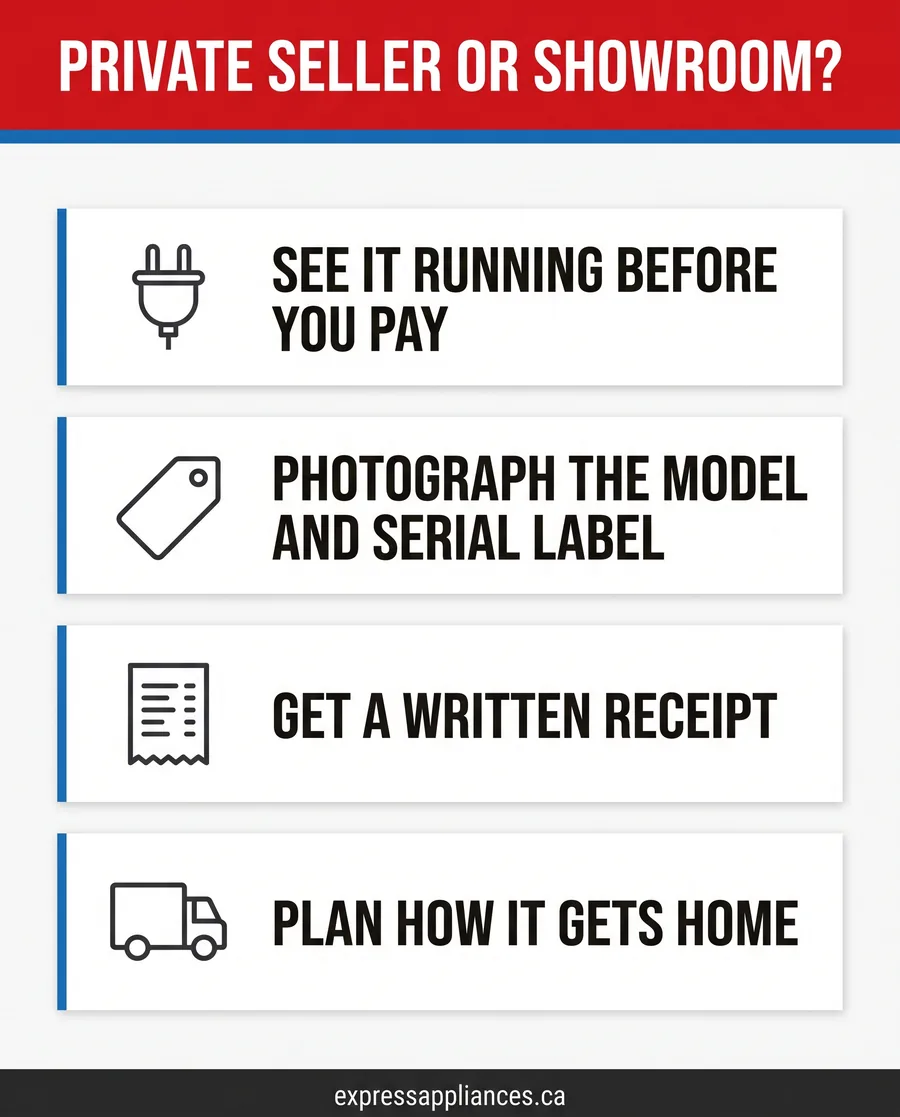
- Can you see it running before you pay? If a private seller lets you plug it in and run a cycle or listen to the compressor, that’s a good sign. If the answer is no, a showroom is the safer route for you.
- Can the seller show you a model and serial label? A clear photo before you drive over saves a wasted trip. A seller who dodges it is telling you something.
- Do you have a way to move it? Appliances are heavy and awkward. If you don’t have a truck and help, delivery from the store you buy from may be worth more than the saving.
- What’s your plan if it stops working next week? If the answer is “swallow the cost”, be honest about whether that works for your budget.
- Do you trust the payment method? If anything about how you’re asked to pay feels off, stop. More on that below.
Pro tip
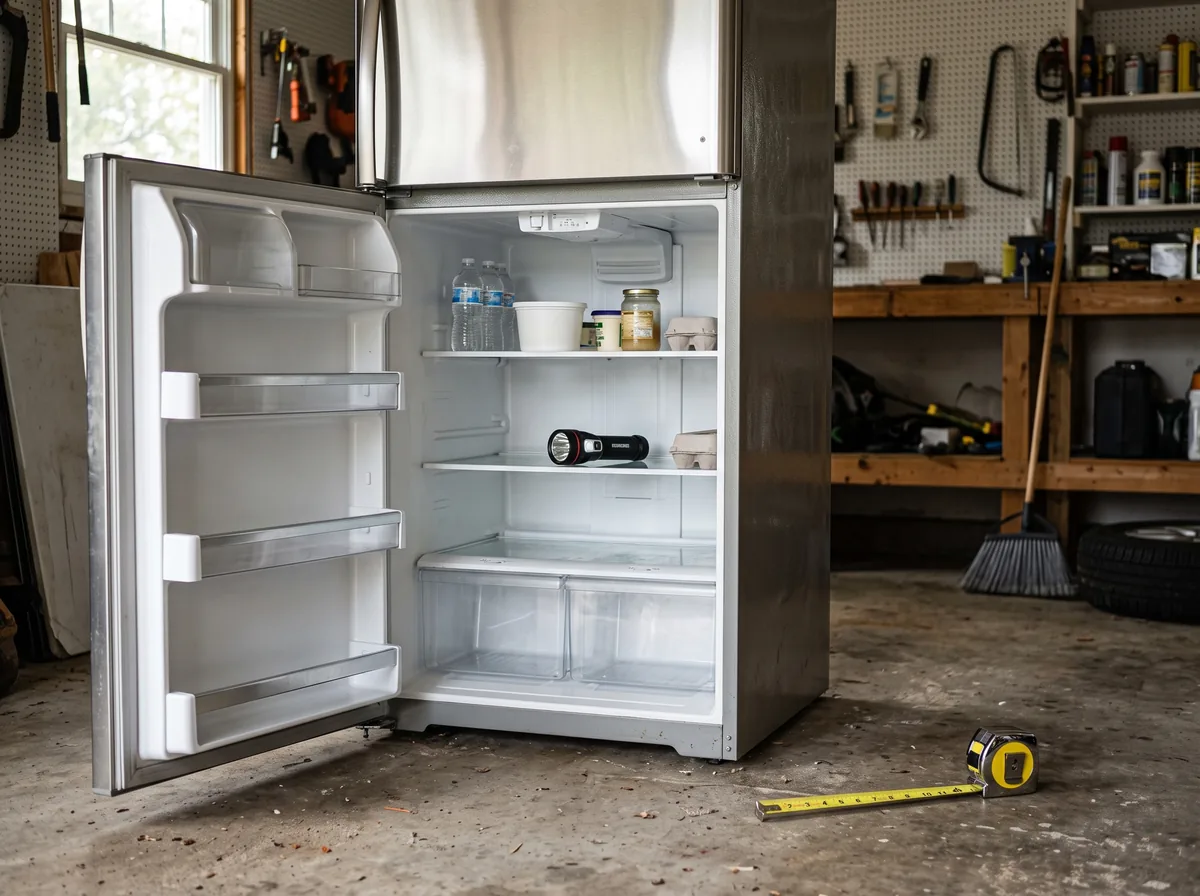
Whichever route you choose, take your own measuring tape, a flashlight and a phone to photograph the model label, the interior and the back of the unit. Photos help if you need to ask a repair person or the seller about something later.
Verify the unit before you pay
Provenance sounds formal, but it comes down to three plain questions: what exactly is this, how old is it, and has anyone had a problem with it? The model and serial label usually answers the first two. Where it sits depends on the appliance, so check the owner’s manual or the manufacturer’s site for the model, and ask the seller to send a photo of the label first.
For the third, you can look the model up on the Government of Canada recalls and safety alerts site before you commit. A recall doesn’t automatically rule out a unit, but you’ll want to know whether a fix was done.
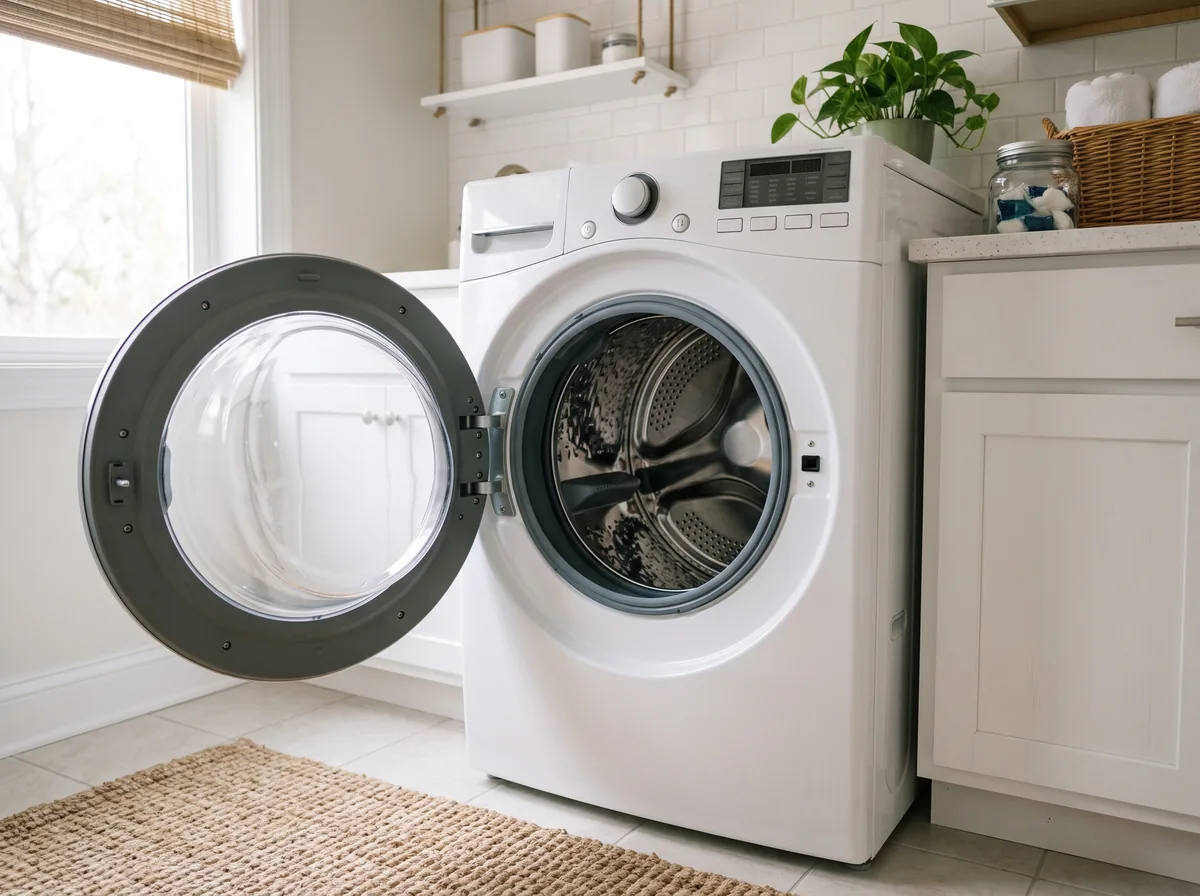
Then test what you can. Plug it in, run it, check the door seals, listen for odd noises and look for rust, leaks, or damage. We keep the appliance-specific detail in separate guides, so for a fridge start with our used refrigerator buying guide, and for a washer see the used washing machine checklist.
At a showroom, ask the same questions out loud. Ask what was checked on that specific unit and what coverage applies to it. If you’re weighing a store purchase, the return and exchange policy page is the place to read the store’s own wording. Then confirm with the team how it applies to the unit you’re buying.
Payment safety and scam patterns
Most private sellers are not scammers. Still, the Canadian Anti-Fraud Centre warns that fraudsters use classified ad sites and resale sites to reach people, and its merchandise fraud page lists quick tips that fit used appliances well: know the market value of the product, don’t trust extremely low offers, beware of anyone using urgency, and do an online search to see whether the seller has been reported. The same page notes that if the asking price is too good to be true, it probably is.
A few habits help with payment itself:
- Pay when you’ve seen the unit and are standing in front of it, not before. A “deposit to hold it” for someone you’ve never met is a classic way to lose money.
- Ask for a short written receipt with the date, the model, the serial number, the amount and the seller’s name and phone number, and keep your messages.
- Be careful with e-transfers sent in advance. Once you send one, getting it back can be hard.
- Meet somewhere sensible, ideally the seller’s home with a friend along, or a well-lit public spot if the item is small enough to move.
If you think you’ve been targeted, the Competition Bureau explains how to report fraud and scams in Canada, and the Anti-Fraud Centre takes reports too.
Red flags that mean walk away
These are the patterns worth watching for when you’re buying used appliances from private sellers online.
Red flag
One flag alone isn’t proof of a scam. Two or three together means thanks, but no thanks.
- A price far below similar listings. A bargain is fine. A price that makes you suspicious is a signal.
- No viewing, or the seller won’t let you test it. “Sold as is, can’t plug in” is a coin flip you’re paying for.
- Pressure to decide now. “Three other people are coming” is a pressure tactic, not a fact you can check.
- Photos that look like stock images, or a model label that’s blurred, cropped or missing.
- A story that keeps changing about how old it is, why it’s for sale or where it’s been.
- Payment oddities: requests to pay by gift card, to send money first, or to move the chat off the platform right before you pay.
- An unplugged unit that “worked fine yesterday” in a garage or basement, with no way to confirm it.
For open box units, which are a middle road between a private sale and a new purchase, our open box appliance guide explains what the label means and what to ask.
Good to know
This guide is general information, not legal or financial advice. Every seller and every unit is different. Ask what coverage applies to the specific appliance before you pay, and get any promise in writing.
Download the free quick guide
A one-page list of questions to ask a private seller or a showroom before you pay for a used appliance.
Conclusion: match the seller to your comfort level
Buying used appliances from private sellers can be a good deal when you can see the unit run, read its label, move it yourself and pay safely. A showroom or warehouse gives you a place to test it, a business receipt and a team to ask if something goes wrong, usually with delivery on offer as well. Neither route is right for everyone.
If you want to see what’s on the floor, browse used and refurbished appliances at Express Appliances, or send the team a question about a specific unit before you decide.
Frequently asked questions
Is it safe to buy a used appliance from a private seller?
It can be, if you check the unit and handle payment sensibly. See it running, photograph the model label, pay in person once you’re satisfied and keep a written receipt. Most sellers are ordinary people, and a short list of questions is how you tell which is which.
What should I ask a private seller before I drive over?
Ask for photos of the model and serial label, how old the appliance is, why it’s being sold and whether you can plug it in when you arrive. A seller who answers plainly is a good sign. Vague answers are worth a second thought.
Is paying by e-transfer a risk?
It can be, mainly when you’re asked to send money before you’ve seen the unit. The Canadian Anti-Fraud Centre warns about fake payment messages and urgency tactics. Pay once you’re standing in front of the appliance, and keep a record of the exchange.
What happens if a private-sale appliance breaks right after I buy it?
Usually that’s between you and the seller, and your options depend on what was agreed. Get anything promised in writing at the time. For a store purchase, ask what coverage applies to that specific unit before you pay.
Is buying used appliances from private sellers cheaper than a store?
It often is on sticker price, since you can negotiate. The cost you can’t see up front is the time, the hauling, and the risk of an unchecked unit. Compare the whole picture, not only the number on the listing.
Can a showroom answer questions a private seller can’t?
Often, yes. A business can usually tell you the condition category, what was checked and how delivery works. Ask at Express Appliances about the unit you’re looking at and what coverage applies to it.
